
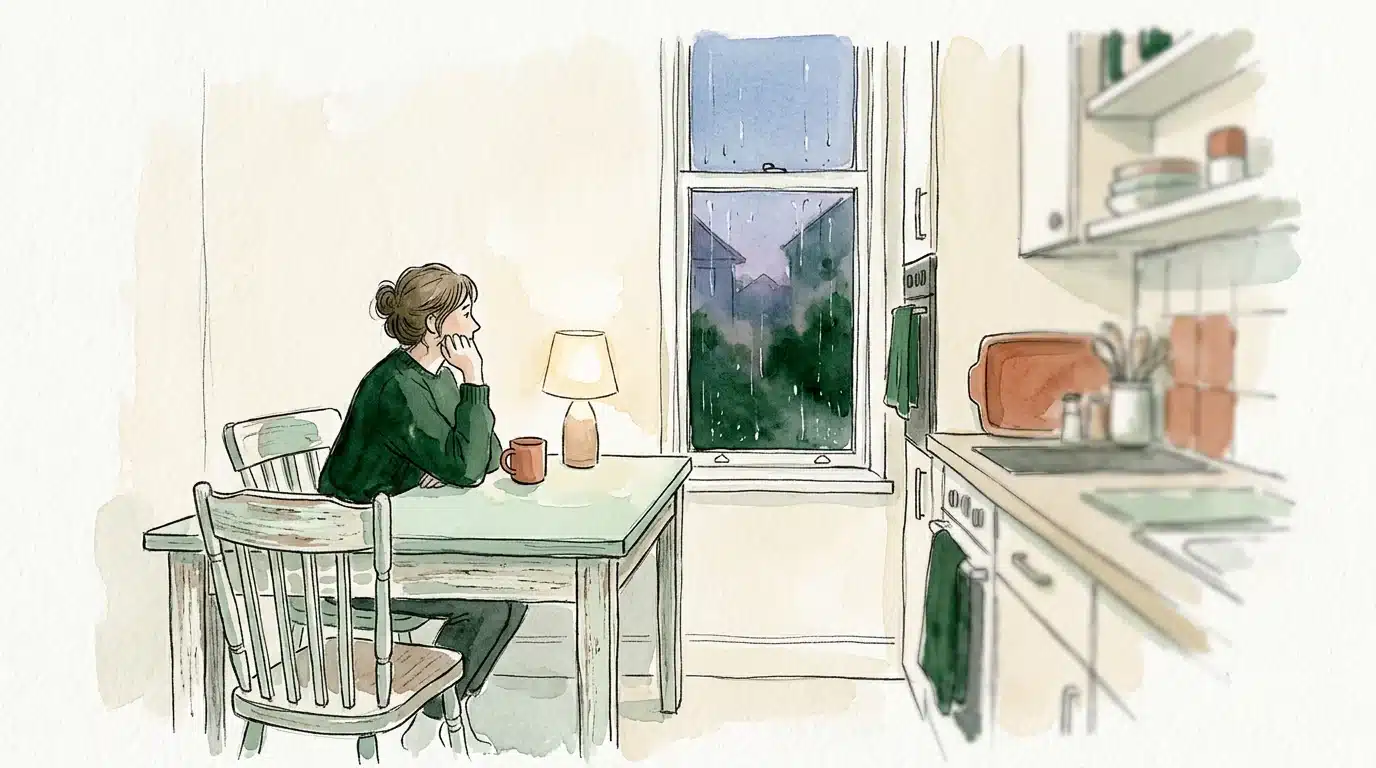
The truth is, you don’t have to be in a crisis to benefit from therapy. Whether you are navigating a specific mental health condition or feel that your day-to-day life is becoming overwhelming, reaching out can be a helpful step toward flourishing.
What counts as “enough”.
Many of us hesitate to ask for help, wondering if our struggles are serious enough to justify therapy. We tell ourselves we should just wait it out or that others have it worse.
The truth is, you do not need to be in a crisis to deserve support. If day-to-day life feels consistently heavy, overwhelming, or flat, that is enough. Therapy is not just a safety net for rock bottom; it is a supportive, collaborative space to help you navigate your feelings and find ways to cope before things get harder.
Do I need therapy? Key signs to look for.
Sometimes it can be hard to tell the difference between a bad week and a need for professional mental health support. If you are experiencing any of the following patterns for more than two weeks, it may be time to speak with a mental health professional:
-
Changes in sleep or appetite: Finding it hard to get out of bed, or struggling with insomnia and racing thoughts.
-
Ongoing low mood: Feeling “flat,” tearful, or hopeless about the future.
-
Intrusive worry or thoughts: Spending a lot of time worrying or feeling constantly on edge.
-
Relationship changes: Feeling irritable with friends or family, or withdrawing from people you usually enjoy being around.
-
Impact on work or study: Finding it difficult to focus or keep up with your typical day to day responsibilities.
5 questions to ask yourself.
If you’re unsure, try answering some of these therapy test questions to see if this helps:
-
Is my current distress stopping me from doing the things I usually love?
-
Am I relying on unhelpful habits (like overworking or avoiding people) to cope with my feelings?
-
Have I tried self-help or talking to friends, but still feel stuck?
-
Am I waiting for things to “just get better” while they actually feel like they are getting harder?
-
Do I want a safe, confidential space to explore my thoughts without judgement?
If you answered “yes” to even two of these, you might benefit from talking to a qualified counsellor.
How to get free or low-cost therapy in the UK.
| Route | Pros | Cons |
|---|---|---|
| NHS Talking Therapies | Entirely free. Self-referral is available. | Waiting lists can be long. You may receive a limited number of sessions. |
| Charities and Local Mind | Low-cost sliding scales. Strong local community focus. | High demand. Services are often staffed by trainee counsellors. |
| Low-Cost CICs (e.g. Flourish) | Fast matching. Delivered by fully qualified staff. | Not free (£25 to £35). Structured, fixed-term session caps. |
Finding the right fit: What to expect.
If you decide to move forward with Flourish Wellbeing Support, here is exactly how the process unfolds:
Book an assessment: You schedule an initial £20, 30-minute online assessment.
The match: Within three to five days, we pair you with a fully qualified, registered professional (BACP, UKCP, or NCPS). We never use students or trainees.
Choose your rate: You select the tier you can honestly afford (£35 standard, £25 access, or apply for our limited free slots for genuine hardship). There is no means-testing.
Your structured course: You complete a tailored course of up to 15 weekly online sessions, reviewed regularly with your counsellor to track how you are doing.
Related guides.
Ready to take the next step?
If you would like to book an introductory counselling session with one of our qualified counsellors, book a session with us.
Book an initial £20 assessment
Safety Note: Flourish is not a crisis service. If you are at immediate risk, please call 999 or go to your nearest A&E. You can also contact the Samaritans on 116 123 for 24/7 support.
Frequently asked questions.
Do I need therapy, or am I overreacting?
If your distress has lasted more than a couple of weeks and is affecting your sleep, work, relationships or enjoyment of life, that is reason enough to talk to someone. You do not have to reach a crisis point or prove your problem is big enough to deserve support.
Is it normal to feel like this?
Difficult feelings are a normal part of life, and many people experience low mood, worry or stress at some point. What matters is how long it lasts and how much it affects you. Ongoing distress that does not lift is worth taking seriously, and help is available.
Can I get therapy on the NHS for free?
Yes. In England you can self-refer to NHS Talking Therapies for support with anxiety and depression, free of charge. Waiting times and the number of sessions vary by area, so some people also look at charities or low-cost services if they want to start sooner.
How do I find a qualified counsellor?
Look for a counsellor registered with a recognised professional body such as the BACP, UKCP or NCPS, which you can check on their public registers. Registration means the counsellor meets training, ethics and supervision standards. At Flourish, every counsellor is registered and there are no trainees or students.
What is the difference between counselling and talking to a friend?
Friends offer valuable support, but a counsellor offers something different: a confidential, non-judgemental space, professional training, and no personal stake in your decisions. Counselling is structured around your goals and is held by someone trained to work safely with difficult experiences.
References & data.
-
NHS England (2024/25): Data on Mental Health Services Monthly Statistics (Reference to the roughly 1.9m-2m currently waiting).
-
Mind / NHS Digital: Standard prevalence data stating 1 in 4 adults in England will experience a mental health problem each year.
-
Mind’s “Waiting for Change” Report: 75% of people report their mental health gets worse while on a waiting list.
-
BACP “Mindometer” (2025): Highlights the rising cost of private therapy as a significant barrier for the UK public.


